Domestic Solar Panels in Norwich for Smarter Home Energy
ACS Solar supplies and installs domestic solar panels in Norwich for homeowners who want to generate more of their own electricity, reduce reliance on the grid and make better use of renewable energy. We design solar PV systems around your property, roof and household energy needs, with options including battery storage, inverters and smart monitoring.
Local Solar Expertise for Your Home
- Family-run renewable energy business established in 2008
- Based in Norwich and serving homes across Norfolk and surrounding areas
- Experience with domestic and commercial solar installations
- Solar panel supply, installation, maintenance and supporting technology
- Battery storage and inverter options available
- Finance options available for eligible projects
- Practical guidance from initial enquiry through to aftercare
What a Domestic Solar Installation Includes
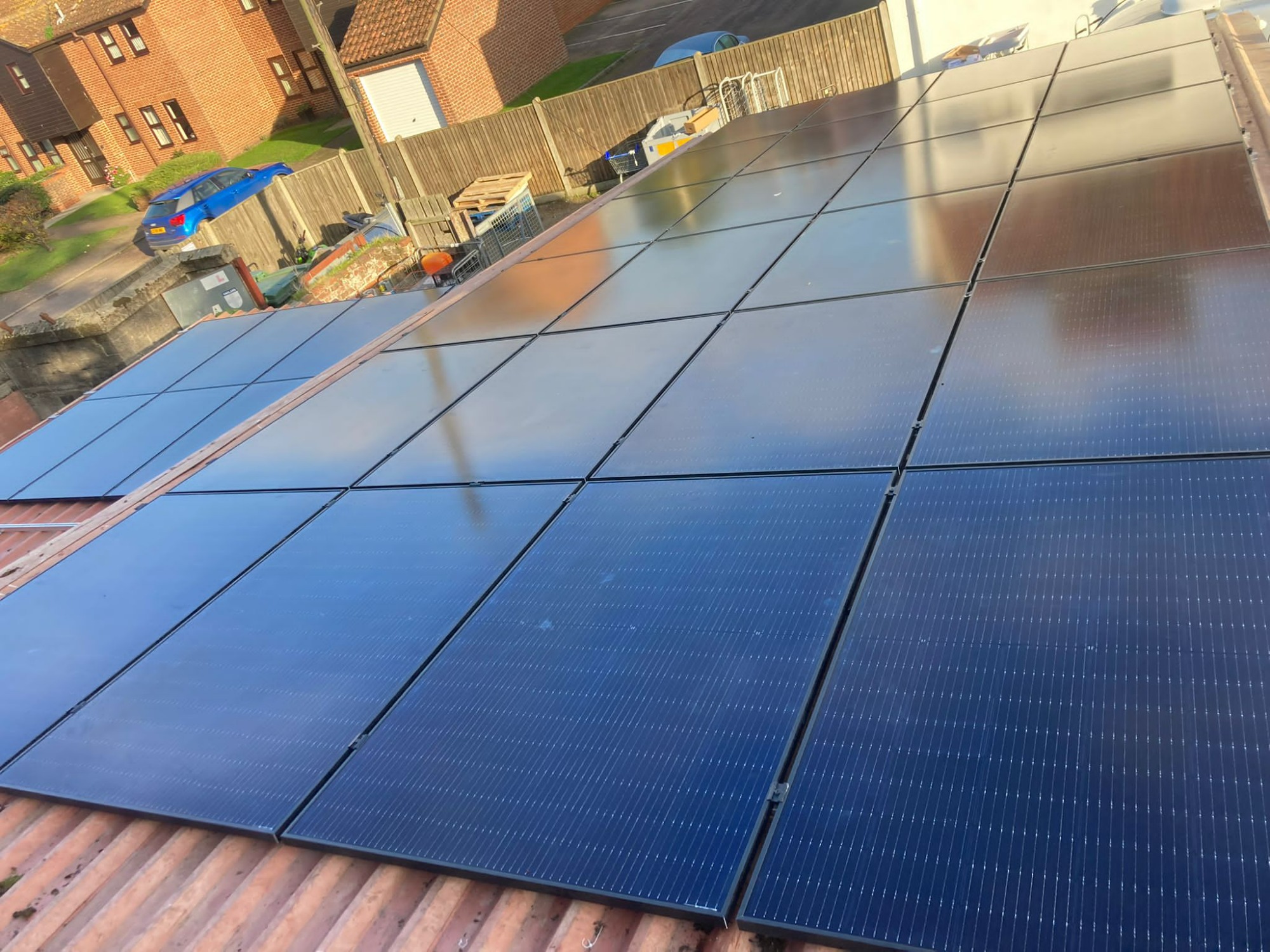
Solar panels for homes convert daylight into electricity that can be used around the property. A correctly designed system considers how much electricity you use, the available roof space and how the property is positioned before equipment is selected.
A domestic installation can include:
- Solar PV panels and mounting equipment
- An inverter to convert generated electricity into usable AC power
- Electrical installation, testing and commissioning
- System monitoring where appropriate
- Guidance on using your completed system
Battery storage can also be incorporated where you want to retain more surplus solar electricity for use later in the day.
Is Your Home Suitable for Solar Panels?
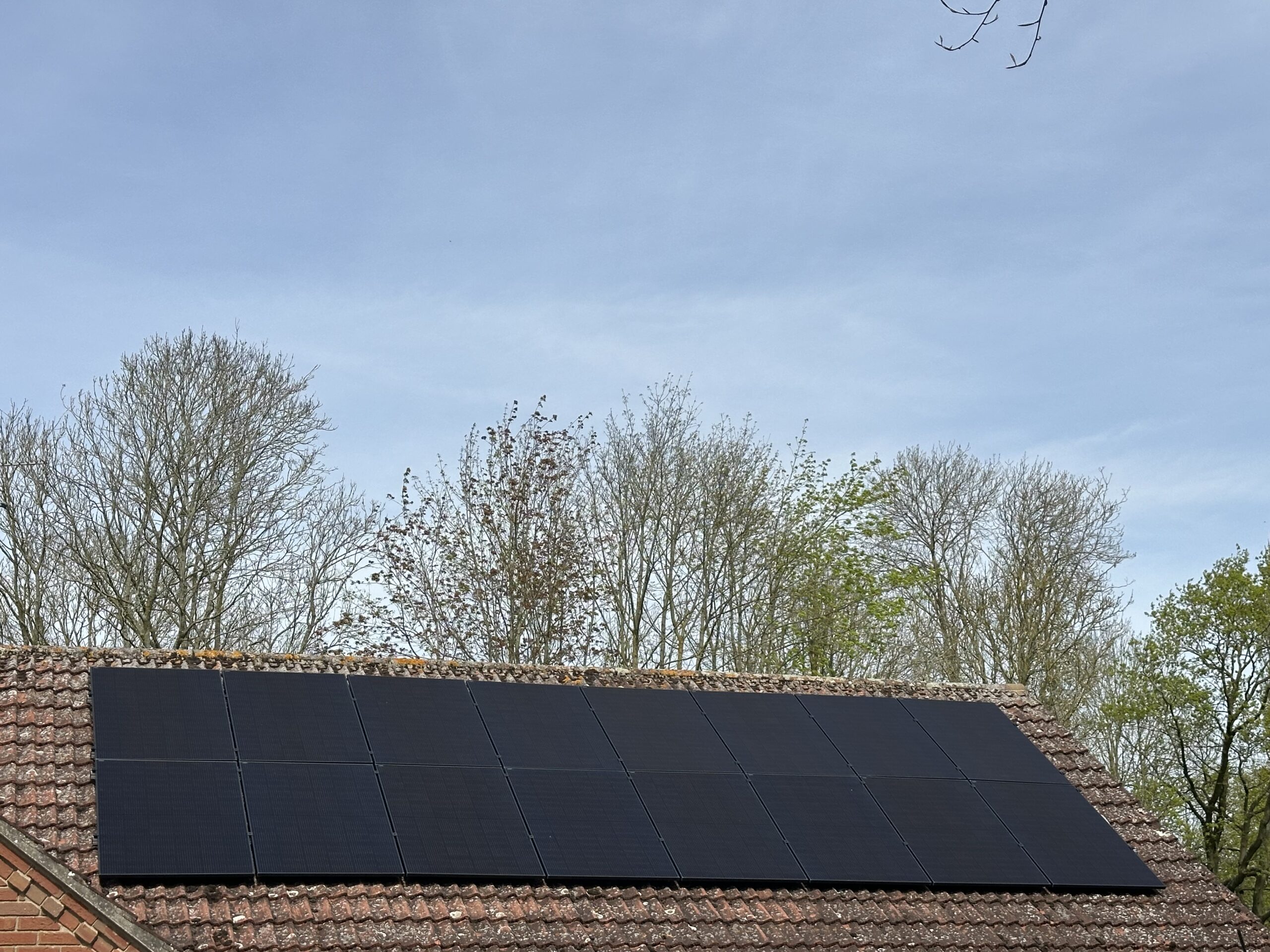
Many homes can benefit from solar, but suitability varies from property to property. Roof size, orientation, shading, structural condition and household electricity consumption can all influence the recommended system.
Solar panels for domestic use may be particularly useful if you want to reduce the electricity you purchase from the grid or expect your household electricity demand to increase through changes such as electric vehicle ownership.
A property assessment is the most reliable way to determine what can realistically be installed and how the system should be configured.
How Your Home Solar Project Works
Property & Energy Assessment
The first stage is understanding your property, roof and electricity requirements. This helps prevent oversizing the installation and allows the system to be designed around how your household actually uses energy.
Solar System Design
Suitable panels, inverter equipment and any battery storage are selected according to the proposed system. Practical considerations such as roof layout and installation access are also taken into account.
Installation & Handover
The equipment is installed, connected and tested before the system is handed over. Where monitoring is included, you can also track generation and better understand how electricity is being produced and used.
Solar Panels With Battery Storage
A battery is optional, but it can help households use more of the electricity their solar panels generate.
During periods when your panels produce more electricity than the home needs, compatible battery storage can retain some of that surplus for later use. This can be particularly relevant for households that consume more electricity during evenings when solar generation is lower.
Whether a battery makes sense depends on your consumption pattern, system design and budget rather than being essential for every property.
Domestic Solar Panels Across Norwich & Norfolk
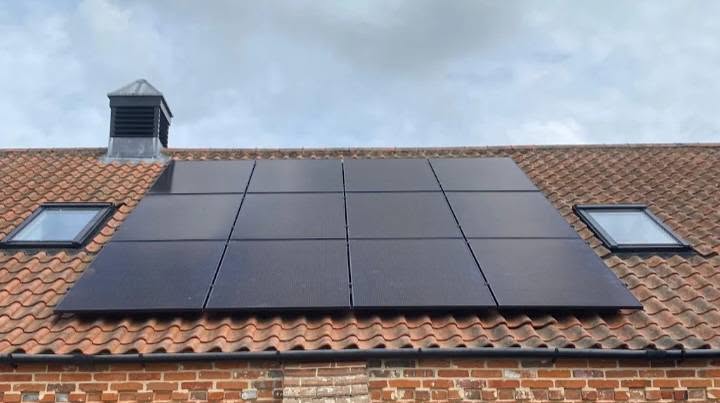
ACS Solar is based in Norwich and provides renewable energy services across Norwich, Norfolk and surrounding areas.
If you are outside Norwich and want to know whether your property is within the current service area, contact the team with your postcode and project requirements before arranging an assessment.
Frequently Asked Questions
How Much Do Domestic Solar Panels Cost?
There is no single price that applies to every home. Cost depends on factors including system size, the number of panels, roof type and access, installation complexity, inverter choice and whether battery storage is included. A property-specific quotation provides a more useful figure than a generic online estimate.
Will Solar Panels Work on Cloudy Days?
Yes. Solar PV panels can still generate electricity in cloudy conditions because they use daylight rather than requiring constant direct sunshine. Output will normally be lower in weaker light, so annual performance matters more than judging a system by individual cloudy days.
Do I Need Battery Storage With Solar Panels?
No. Solar panels can operate without a battery. Battery storage may be worth considering if you want to keep more surplus electricity for use later, particularly if your household uses significant energy after solar generation has fallen.
How Many Solar Panels Will My Home Need?
The appropriate number depends on available roof space, electricity consumption and the amount of generation the proposed system is designed to provide. The right solution should be based on your property and energy requirements rather than simply fitting the maximum possible number of panels.
Can I Add a Battery Later?
In many cases, battery storage can be added to an existing solar installation, although compatibility with the inverter and existing system needs to be checked first. If future battery storage is important to you, discuss this when the original solar system is being designed.
Find the Right Solar System for Your Home
A domestic solar installation should be designed around your property rather than sold as a standard package. ACS Solar can assess your requirements, explain the available solar and battery options and provide a quotation based on the system your home actually needs.
Call ACS Solar on 01603 851 357 or email sales@acssolar.co.uk.